
Peptide Therapy in Idaho
Unlock Better Health with Clinician-Guided Peptide Therapy
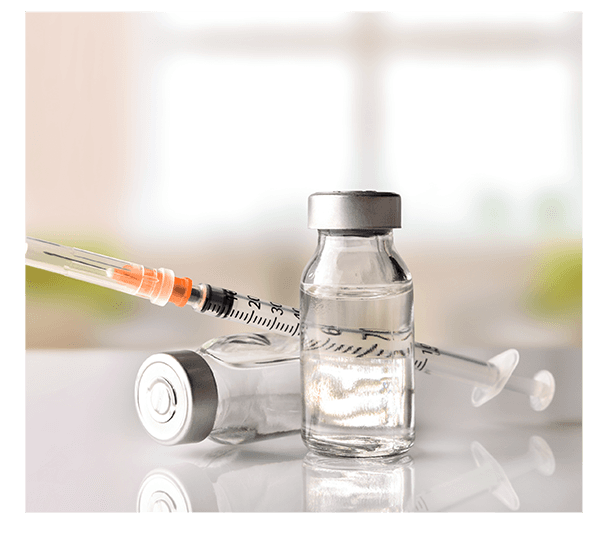
Hormones + Weight Loss provides clinician-guided peptide therapy in Boise, Meridian, Twin Falls, and Lewiston, Idaho. Peptide therapy uses short chains of amino acids — the body’s own signaling molecules — to support weight loss, recovery, anti-aging, and hormone balance. If you’ve searched for “peptide therapy near me,” our nurse practitioners build each program around your labs and goals — Boise-area patients are seen at our nearby Meridian clinic — to help you feel stronger, leaner, and more energized.
Looking to lose weight, become leaner, increase muscle, increase energy, have more radiant skin, speed up recovery for injury or increase libido?
Peptides can be used to treat numerous conditions including enhancing growth hormone production, obesity, loss of lean muscle associated with aging, tissue repair including tendons, ligaments, and muscles, decreased collagen and reducing the appearance of wrinkles, decreased libido, and erectile dysfunction. Many patients notice changes in sleep, recovery or energy within the first few weeks; body-composition and skin changes are usually judged over three to six months, and results vary from person to person.
The part most peptide pages skip
Where you get peptides matters more than which one you take
A prescription is a different product from an online vial. Websites selling vials labelled "for research use only" are unregulated. Independent testing of these products routinely finds wrong doses and contamination. A prescription filled by a licensed compounding pharmacy is tested, correctly dosed and matched to your actual goal, which is why it's the change patients notice most.
Licensed pharmacies make the peptide you were actually prescribed. Real peptide therapy is a prescription written by a licensed clinician and prepared by a licensed compounding pharmacy: sterile, tested, correctly reconstituted and dosed for you, with a clear clinical goal and a follow-up plan.
Peptides work inside a plan, not instead of one. Recovery, sleep, body composition and healthy aging usually improve most when hormones, labs, nutrition and training are handled first. We use peptides as a targeted layer on top of that foundation, never as a standalone shortcut.
Every peptide plan at Hormones + Weight Loss is prescribed by a nurse practitioner, filled through a licensed pharmacy, and the cost is explained before it starts. Read how we price peptide therapy.
Signs we look for
Sound familiar?
These are the patterns that bring Idaho patients to our peptide consultations. Each one maps to a biological mechanism, and each mechanism maps to a small number of well-studied peptides.
Slow recovery from training, injury or surgery
Poor sleep quality, waking unrefreshed
Stubborn body composition: soft midsection, lost muscle
Aging skin, joint stiffness, thinning hair
Low libido that hormones alone have not fixed
Already on BHRT or TRT and looking for the next layer
01
Declining growth-hormone signaling
Growth-hormone pulses fall sharply after 30. Secretagogue peptides prompt the pituitary to release the body's own growth hormone in its natural rhythm, which is what recovery, sleep and body-composition goals usually point to.
02
Tissue that heals slowly
Tendons, ligaments and the gut lining have poor blood supply and repair slowly. Recovery peptides are studied for signaling repair in exactly those tissues, and access to them through licensed pharmacies reopened in 2026.
03
Metabolism that will not budge
Insulin resistance, appetite and visceral fat respond best to the peptides with the strongest human evidence: FDA-approved GLP-1 medications inside a supervised weight-loss program. Newer metabolic peptides are discussed alongside them, never instead.
What Are Peptides?
Peptides are short chains of amino acids that act as messengers in the body. Specific peptides can stimulate growth hormone production, accelerate healing, boost metabolism, and improve energy. Because different peptides have unique benefits, treatment is tailored to your health goals.
Common Peptides and What They Do
Different peptides target different goals. Each name below opens a plain-English guide: what the peptide is, what it is studied for, what changed in 2026, and what it typically costs. Which peptides fit you is decided with your nurse practitioner based on your labs, health history and goals.
Weight Loss & Metabolism
Peptides studied for fat loss, appetite and metabolic health. GLP-1 medications (semaglutide, tirzepatide) are the proven category and live in our weight-loss program.
- Tesamorelin
An FDA-approved GHRH analog studied for reducing deep abdominal (visceral) fat.
Weight Loss & Body Composition - MOTS-c
A mitochondrial peptide studied for insulin sensitivity, exercise capacity and fat metabolism.
Metabolic & Cellular Energy - AOD-9604
A growth-hormone fragment studied for fat metabolism, with renewed interest from newer research.
Weight Loss & Body Composition - Retatrutide
An investigational triple-agonist weight-loss drug in Phase 3 trials; not yet approved or available.
Weight Loss & Body Composition
Recovery & Growth-Hormone Support
Peptides associated with tissue repair, and secretagogues that prompt the body's own growth-hormone release.
- TB-500
A thymosin beta-4 fragment studied in animals for wound, tendon and muscle repair.
Recovery & Healing - Sermorelin
A GHRH analog studied for prompting your own pituitary to release growth hormone.
Growth-Hormone Support - CJC-1295 / Ipamorelin
A GHRH analog plus a ghrelin-receptor agonist studied together for growth-hormone release.
Growth-Hormone Support
Skin, Hair & Sexual Wellness
Peptides explored for skin, hair and libido.
- GHK-Cu
A naturally occurring copper peptide studied for collagen, wound healing and skin appearance.
Skin, Hair & Anti-Aging - PT-141 (Bremelanotide)
An FDA-approved melanocortin peptide for low sexual desire that acts on the brain, not blood flow.
Sexual Wellness
Peptides that fit your plan are prescribed by our nurse practitioners and sourced through licensed pharmacies, with dosing and monitoring personalized to you.
The 2026 timeline
What changed with peptides in 2026
Access to many popular peptides through licensed compounding pharmacies reopened in 2026 after two years of restriction. It has been a fast-moving year, and most of what patients read online blurs three very different things: FDA-approved peptide medications, peptides a licensed pharmacy may compound by prescription, and unregulated products sold as research chemicals. Here is the sequence.
Feb 27, 2026
HHS announces wider peptide access
Health Secretary Robert F. Kennedy Jr. announced that roughly 14 peptides on the FDA's restricted-compounding list would be made available again through licensed compounding pharmacies.
April 2026
FDA removes 12 peptides from its restricted list
BPC-157, TB-500, CJC-1295, ipamorelin, AOD-9604, GHK-Cu, MOTS-c and others came off Category 2, the list that had blocked pharmacies from compounding them since 2023.
May 2026
GHK-Cu placed on the compounding-eligible list
Non-injectable copper peptide moved to Category 1, which allows licensed pharmacies to compound it under FDA enforcement discretion.
July 23–24, 2026
FDA advisory committee recommends six peptides
The Pharmacy Compounding Advisory Committee voted to recommend BPC-157, TB-500, MOTS-c, KPV, Semax and epitalon for the permanent 503A compounding list. The vote is a recommendation; the FDA still has to write the rule.
Next
Rulemaking, and a second committee meeting
A proposed rule, public comment and a final rule come next, which observers expect in 2027 or 2028. The committee is scheduled to review five more peptides in February 2027.
What this means for you
More peptides can now be prescribed and filled through a licensed pharmacy than at any point since 2023. “Available for compounding” is still not the same as “FDA-approved,” so a nurse practitioner evaluates whether a peptide fits your goals and history, and confirms what a licensed pharmacy can prepare under the rules in force on the day you start.
Source: FDA 503A bulk drug substances programOur approach
How peptide therapy works here
The same approach at all three Idaho clinics. Labs first, peptides where they fit your goals, and follow-up built in.
Labs and a clear goal
A nurse practitioner takes your history and orders the hormone, metabolic and inflammatory panels that fit, adding IGF-1 when growth-hormone peptides are on the table. We define the goal first: recovery, body composition, sleep, skin or libido.
A plan built around your labs
Once labs are back you get a plan that often starts with hormone or weight-loss care and adds a peptide where it earns its place. You know the cost before anything is prescribed.
Re-check and refine
InBody body-composition scans, symptom check-ins and repeat labs tell us whether the plan is working. Most peptides are run in defined cycles rather than continuously, and doses are adjusted from data.
Stack it with the foundations
Peptides do their best work on top of balanced hormones, adequate protein, resistance training and sleep. Your plan keeps those in view, in Meridian, Twin Falls or Lewiston, with Boise-area patients seen in Meridian.
Peptides for Weight Loss
Certain peptides help regulate metabolism and fat burning while preserving lean muscle, and they work best alongside our medically supervised weight loss program. Popular options include:
CJC-1295 & Ipamorelin – stimulate natural growth hormone for fat loss and muscle maintenance
AOD-9604 – targets stubborn abdominal fat
Tesamorelin – reduces visceral fat and supports metabolic health
When to expect results: Most patients notice improved energy and modest fat reduction in 4–6 weeks, with fuller effects after 3–6 months.
Peptides for Recovery & Healing
For active patients or those healing from injury, peptides can speed tissue repair and reduce inflammation:
BPC-157 – supports tendon, ligament, and muscle healing
Thymosin Beta-4 (TB-500) – aids tissue regeneration and reduces recovery time
Patients often report faster healing, reduced joint pain, and better exercise performance.
Anti-Aging & Wellness Benefits
Peptides are increasingly used for skin rejuvenation, energy, sleep, and libido:
Stimulate collagen production to reduce fine lines and wrinkles
Improve sleep quality and daytime focus
Restore hair growth and skin elasticity
Boost sex drive and performance
Peptides vs. HGH: not the same thing
They are often marketed as interchangeable. Injected growth hormone replaces the hormone directly; secretagogue peptides ask your pituitary to release its own. That one difference drives the legal, safety and evidence picture.
| Factor | Injected HGH | Growth-hormone peptides |
|---|---|---|
| What it is | Recombinant human growth hormone (somatropin), the hormone itself, injected | Secretagogues such as sermorelin, CJC-1295/ipamorelin and tesamorelin that signal the pituitary to release its own growth hormone |
| How it acts | Bypasses the pituitary and produces sustained, supraphysiologic levels | Preserves the natural pulsatile rhythm and the body's feedback control |
| Legal status in the US | Federal law restricts HGH to specific FDA-authorized conditions; anti-aging and performance use is not lawful | Prescribed through licensed compounding pharmacies where permitted; tesamorelin is an FDA-approved medication |
| Typical side effects | Fluid retention, joint pain, carpal tunnel, insulin resistance; higher with long-term excess | Injection-site reactions, flushing, mild water retention; a smaller and slower effect |
| Evidence | Strong for true growth-hormone deficiency; unfavourable risk-benefit for healthy older adults | Strongest for tesamorelin in its approved use; growing clinical experience with supportive studies for the others |
| Shared caution | Active cancer, uncontrolled diabetes, proliferative retinopathy | The same three, because any growth-hormone signaling is off the table in those situations |
In practice, most people asking about HGH are describing fatigue, slow recovery and midsection fat, and the first levers are sex-hormone balance, protein, resistance training and sleep. We start there. See our hormone approach.
Is Peptide Therapy Safe?
Peptide therapy is well tolerated by most healthy adults when it is prescribed, sourced from a licensed pharmacy and monitored. The honest answer depends on which peptide, where it came from, and who is watching your response. Four things worth knowing before a consultation:
Different peptides, different levels of evidence. GLP-1 medications have large human trials behind them. Tesamorelin and bremelanotide are FDA-approved medications with solid data in their approved uses. Most other peptides rest on a smaller base of animal studies and human reports, and patients using them commonly describe changes in recovery, sleep, energy or body composition — which is why we describe each one as studied for a given goal, with results that vary person to person, rather than guaranteed.
Most peptides are prescribed off-label through compounding. In 2026 the FDA removed a dozen popular peptides from its restricted list and an advisory committee recommended several for the permanent compounding list. That reopened access through licensed pharmacies. It did not make them FDA-approved medications, so a clinician still decides whether one is appropriate for you.
The source is the biggest safety variable. Research-chemical products bought online are unregulated and frequently mislabeled, under-dosed or contaminated. A prescription filled by a licensed compounding pharmacy removes that risk. It is the single change that most improves peptide safety.
Monitoring is the safeguard. Our nurse practitioners review your history and labs first, use peptides in defined cycles with check-ins, and stop or adjust based on how you respond. Pregnancy, active cancer and competition under anti-doping rules are among the reasons a peptide is ruled out.
Every peptide in our peptide guide lists its known side effects, who should be cautious, and where it stands with the FDA as of the date on the page.
What peptide therapy costs
At Hormones + Weight Loss, peptide therapy ranges from about $100 to $1,000 or more, depending on the peptide and the quantity you order. Many patients start at the lower end with a single peptide and a short cycle. Your exact cost is quoted after your consultation and labs.
Recovery peptides
BPC-157 · TB-500
Growth-hormone support
Sermorelin · CJC-1295 / ipamorelin
Body composition
Tesamorelin
Skin and sexual wellness
GHK-Cu · PT-141
GLP-1 weight-loss program
Semaglutide · Tirzepatide
Full cost guide
What drives the price, insurance, and the red flags of cheap peptides
Read the guideWhy Choose Hormones + Weight Loss for Peptide Therapy?
Experienced providers trained in functional and regenerative medicine
Custom treatment plans based on lab testing and health history
Honest guidance on what each peptide is studied for, its current FDA status, and typical cost, with your cost explained before anything is prescribed
Clinics conveniently located in Boise, Meridian, Twin Falls, and Lewiston
Peptide Therapy in Meridian, Twin Falls & Lewiston
Each clinic has its own peptide therapy page with local hours, directions, providers and FAQs. Boise-area patients are seen at our Meridian clinic.
Meridian
2572 N Stokesberry Pl #300
Meridian, ID 83646
Mon–Fri 8am–6pm
Twin Falls
496 Shoup Ave West Ste E
Twin Falls, ID 83301
Mon–Thu 8am–6pm
Lewiston
1630 23rd Ave Ste 1201A
Lewiston, ID 83501
Mon–Wed 8am–6pm
Peptide Therapy FAQs
Yes. Hormones + Weight Loss offers clinician-guided peptide therapy at our Idaho clinics serving Boise, Meridian, Twin Falls, and Lewiston. If you've searched for 'peptide therapy near me' or a 'peptide clinic near me,' our nurse practitioners can build a personalized program and monitor your progress with lab testing.
Peptides are short chains of amino acids that act as signaling molecules in the body, telling cells to perform specific functions like releasing growth hormone, repairing tissue, or regulating metabolism. Peptide therapy uses targeted, naturally occurring peptides to support weight loss, recovery, anti-aging, and hormone balance — working with your body's own systems rather than overriding them.
Peptide therapy is used to support healthy growth hormone production, weight loss and fat reduction, loss of lean muscle associated with aging, tissue repair (tendons, ligaments, and muscles), collagen production and the appearance of fine lines, low libido, and erectile dysfunction. Benefits typically begin within the first few weeks and increase with continued therapy, with full effects often noticed after 3–6 months.
Yes. Certain peptides support fat loss and lean muscle by improving metabolism, recovery, and growth hormone signaling. For many patients we combine peptide therapy with our broader medically supervised weight loss program — including GLP-1 options like semaglutide and tirzepatide — for stronger, more sustainable results. Your plan is tailored to your labs and goals.
Peptide therapy is well tolerated by most healthy adults when it is prescribed, sourced from a licensed pharmacy, and monitored. Our nurse practitioners review your health history, order lab testing, and check in throughout each cycle. The biggest safety variable is the source, which is why every prescription is filled by a licensed pharmacy, and we adjust or stop a peptide based on how you respond.
Most peptides are given as small subcutaneous injections. They are typically administered at the clinic, and patients who prefer to self-administer at home can do so once their nurse practitioner has shown them how. Some peptides are also available in other forms. Dosing schedules vary by peptide and goal, and your provider walks you through exactly how and when to use your prescription.
Commonly discussed peptides include BPC-157 and TB-500 for recovery and healing; CJC-1295, Ipamorelin, Sermorelin, and Tesamorelin for growth-hormone support and body composition; GHK-Cu for skin, collagen, and hair; PT-141 for libido; and GLP-1 medications like semaglutide and tirzepatide for weight loss. Which peptides are right for you is decided with your nurse practitioner based on your goals, health history, and labs.
Yes. Peptide therapy is medical treatment and requires a prescription from a licensed provider. At Hormones + Weight Loss, our nurse practitioners review your health history and lab work, then prescribe and monitor any peptides that are appropriate for you, sourced through licensed compounding pharmacies. Peptides are not something you should buy or self-administer without medical supervision.
Peptide therapy at Hormones + Weight Loss ranges from about $100 to $1,000 or more, depending on the peptide you are prescribed and the quantity you order. Many patients start at the lower end with a single peptide and a short cycle. Because every plan is built after your consultation and labs, your nurse practitioner quotes your exact cost and reviews it with you up front. Call (208) 888-8013 for current pricing.
Many patients report real improvements in energy, recovery, body composition, sleep, and libido, and several peptides have promising research behind them. Evidence differs by peptide: GLP-1 medications have large trials, while most others rest on smaller studies and are prescribed off-label. We set honest expectations, use lab testing to track your progress, and adjust your plan based on how you respond.
Access widened. In February 2026 HHS announced that about 14 peptides would be made available again through licensed compounding pharmacies; in April the FDA removed 12 of them, including BPC-157 and TB-500, from its restricted list; and in July an FDA advisory committee recommended six for the permanent compounding list. The final rule is still pending, so what a pharmacy can prepare is confirmed at your consultation.
Ozempic and Wegovy (semaglutide) are peptides, specifically GLP-1 receptor agonists, and they are FDA-approved medications with large trials behind them. Most other peptides discussed for recovery, sleep or skin work through different pathways, have a smaller human research base, and are prescribed off-label, even as patients using them report real changes in how they feel. For weight loss, the GLP-1 category is the one with proof.
Growth-hormone secretagogues such as sermorelin and CJC-1295/ipamorelin do not suppress testosterone; they act on the pituitary growth-hormone axis, not the testosterone axis. Injected HGH and anabolic steroids are a different story. If you are on TRT or BHRT, peptides are usually layered on top of a balanced hormone plan, not used instead of it.
Most peptides are given as small daily or several-times-weekly subcutaneous injections, and most are run in defined cycles of several weeks to a few months rather than continuously. Effects on sleep and recovery are often noticed within weeks; body-composition changes are judged over months. Your nurse practitioner sets the cycle and the check-in points.
Usually not. Off-label compounded peptides are rarely covered, and Hormones + Weight Loss is a direct-care clinic, so you pay us directly and know the cost up front. FDA-approved products used for their approved indication are sometimes covered by insurance, and HSA or FSA funds can often be used for prescribed therapy; check with your plan.
Yes, when a licensed clinician prescribes them and a licensed compounding pharmacy prepares them. Buying research-chemical peptides online for personal use is a different, unregulated market that we strongly advise against. Which peptides a pharmacy can compound depends on current federal rules, which expanded in 2026.
Start with a consultation at any of our Idaho clinics — Boise-area patients are seen at our nearby Meridian location, and we also serve Twin Falls and Lewiston. We'll review your symptoms and goals, run any needed lab work, and design a personalized peptide program. Call (208) 888-8013 or request a callback to book.
Take the Next Step
Peptide therapy can help you:
Burn stubborn fat and build lean muscle
Recover faster from injury or exercise
Improve skin, sleep, and sexual wellness
Schedule your consultation today to learn if peptide therapy is right for you.
Make Your Appointment Today!