Recognizing Hormone Imbalance Symptoms: A Comprehensive Guide to Signs, Testing, and Treatment
By Bryce Johnson ·
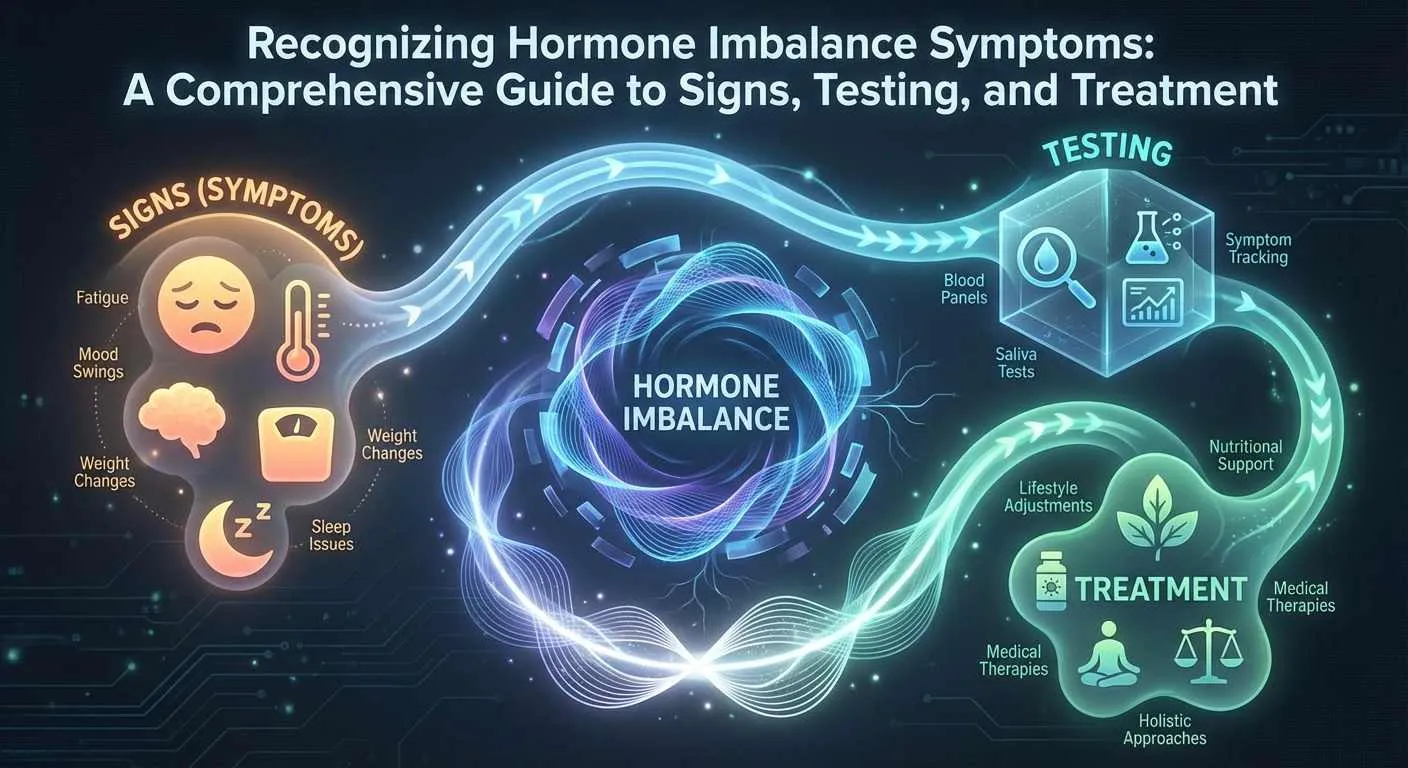
Hormone imbalance occurs when the body's endocrine signals are too low, too high, or poorly timed, producing symptoms that often appear gradually yet significantly affect quality of life. This guide explains why hormonal disruption becomes more common after age 35, how it shows up differently in women and men, and what testing and treatments can reliably address root causes. You will learn to recognize key symptom clusters—weight changes, fatigue, mood shifts, reproductive irregularities, sleep disruption, and skin or hair changes—and understand which hormones are most likely responsible. The article then outlines a functional medicine approach to testing and diagnosis, describes how bioidentical hormone therapy (BHRT) may relieve symptoms, and explains when to seek professional evaluation. Practical lists, comparison tables, and stepwise testing guidance are included to help you prepare for clinical conversations and make informed choices about medically supervised care.
Indeed, the subtle and often overlapping nature of these symptoms can make accurate diagnosis a complex challenge for medical professionals.
Diagnosing Hormonal Imbalance: Symptoms & Challenges Hormones are chemical messengers that are vital for growth, reproduction, and are essential for human existence. Hormones may sometimes not be balanced which is a medical condition that often go unnoticed and it's quite difficult to be diagnosed by medical experts. Hormonal imbalance has several symptoms that could also be confused for other ailments. This proposed system serves as support for medical experts to improve the precision of diagnosis of hormonal imbalance. — How to Add Bioidentical Hormone Replacement Therapy to Your Functional Medicine Clinic, 2023
What Are the Common Hormone Imbalance Symptoms in Women Over 35?

Hormone imbalance in women over 35 commonly presents as clusters of metabolic, reproductive, mood, and dermatologic symptoms driven by shifting estrogen, progesterone, thyroid, cortisol, and insulin dynamics. These shifts alter menstrual patterns, energy regulation, and body composition, producing recognizable patterns that clinicians use to select targeted testing. Early recognition helps prioritize labs and lifestyle changes before problems become entrenched. Below is a concise symptom checklist that highlights common presentations and quick one-line clarifiers for each sign.
Women over 35 frequently report the following hormone-related symptoms:
- Irregular periods: Cycle length variability or missed cycles suggesting ovarian hormone shifts.
- Unexplained weight gain: Stubborn weight, especially around the abdomen, despite diet changes.
- Hot flashes/night sweats: Sudden warmth or sweating often linked to estrogen fluctuation.
- Low libido: Reduced sexual desire that may relate to estrogen, progesterone, or testosterone changes.
- Fatigue and low energy: Persistent tiredness not explained by sleep alone, often hormonal.
- Mood swings/depression: New or worsening anxiety, irritability, or depressive symptoms.
- Hair thinning or loss: Diffuse scalp hair loss or reduced hair density associated with hormones.
- Adult acne or skin changes: New acne or oiliness related to androgen or insulin effects.
These symptom clusters guide the next steps for testing and initial self-care, including routine thyroid screening, tracking menstrual patterns, optimizing sleep, and addressing diet to reduce insulin load. Recognizing patterns helps prioritize which hormones to assess first and prepares you for a targeted diagnostic plan.
How Do Weight Changes and Metabolism Reflect Hormonal Imbalance in Women?
Weight changes and metabolism shifts in women commonly reflect dysregulation of thyroid hormones, estrogen-progesterone balance, and insulin sensitivity, each altering basal metabolic rate and fat distribution. Hypothyroidism slows metabolic processes and can produce cold intolerance, weight gain, and slowed cognition, while declining estrogen can shift fat from peripheral to central stores, making weight loss harder. Insulin resistance promotes fat storage, especially visceral fat, and increases hunger and carbohydrate cravings. Clinically, a woman with unexplained weight gain who also reports cold hands, hair thinning, or constipation should prompt thyroid testing, whereas central adiposity with sugar cravings suggests evaluating fasting glucose and insulin markers. Identifying the metabolic driver allows targeted interventions that combine hormone optimization with nutrition and activity adjustments to restore healthier weight trajectories.
What Mood and Reproductive Symptoms Indicate Hormone Imbalance in Women?
Mood and reproductive symptoms typically stem from fluctuations in estrogen, progesterone, cortisol, and thyroid hormones and can include anxiety, depression, irritability, irregular bleeding, and low libido. Low estrogen commonly causes mood lability and sleep disturbance, while progesterone withdrawal or imbalance may increase anxiety and worsen sleep quality; elevated cortisol from chronic stress suppresses reproductive function and disrupts menstrual regularity. When mood changes are new and coincide with menstrual shifts, perimenopause, or sleep problems, hormonal evaluation often clarifies contributors rather than attributing symptoms solely to psychiatric causes. A practical clinical triage includes documenting symptom timing relative to menstrual cycles, screening for thyroid dysfunction, and assessing stress and sleep, which together create a roadmap for targeted testing and treatment.
What Are the Key Signs of Hormonal Imbalance in Men Over 35?
Hormonal imbalance in men over 35 most commonly involves declining testosterone, thyroid dysfunction, and stress-related cortisol dysregulation, producing physical, metabolic, and psychological signs. These hormonal changes can reduce muscle mass, alter fat distribution, diminish libido and sexual performance, and impair mood and cognitive clarity. Differentiating normal age-related shifts from pathological hormone deficiency depends on symptom severity, functional impact, and confirmatory morning hormone testing. The following concise list highlights the key signs that should prompt further evaluation by a clinician.
Men over 35 should be alert for these signs:
- Low libido or erectile difficulties: Consider low testosterone as a primary contributor.
- Reduced muscle mass and strength: Persistent loss despite resistance exercise may signal hormonal decline.
- Increased body fat, especially central adiposity: Hormone-driven metabolic shifts favor visceral fat.
- Fatigue and low motivation: Unexplained, persistent tiredness often accompanies low-T or thyroid issues.
- Mood changes or irritability: New depressive symptoms or emotional blunting can indicate hormonal causes.
- Hair thinning or loss: Androgen changes and thyroid issues can both affect hair density.
- Decreased exercise tolerance: Lower energy and slower recovery with exertion hint at endocrine effects.
Which Symptoms Signal Low Testosterone and Its Effects?
Low testosterone (low-T) typically presents with decreased libido, erectile dysfunction, reduced muscle mass, increased body fat, fatigue, and mood alteration; these symptoms often reduce quality of life and physical performance. Accurate diagnosis relies on symptom correlation and laboratory confirmation, usually with morning total testosterone measurement and repeat testing to confirm persistence. Treatment options range from lifestyle optimization—improving sleep, weight management, and resistance training—to individualized hormone replacement when indicated after discussing risks and benefits. Monitoring during treatment focuses on symptom response, hormone levels, and safety parameters, ensuring doses are adjusted to restore function while minimizing adverse effects. You can find more information on testosterone and estrogen.
How Do Weight Gain and Mood Changes Manifest in Men?
Weight gain and mood changes in men emerge from interactions between testosterone decline, increased cortisol from chronic stress, and potential thyroid dysfunction, each contributing to altered appetite regulation and fat storage. Low testosterone reduces lean mass and basal metabolic rate, making weight control harder, while cortisol promotes central fat deposition and can worsen sleep and mood, creating a feedback loop that exacerbates metabolic imbalance. Clinically, a common presentation is progressive central weight gain with reduced exercise tolerance and low mood; this pattern prompts evaluation of fasting glucose, lipid profile, thyroid function, and morning testosterone. Addressing these hormonal contributors alongside behavioral changes—improving sleep, stress reduction, and tailored exercise—often returns momentum to weight and mood management.
How Does Hormone Imbalance Cause Weight Gain and Affect Energy Levels?
Hormone imbalance causes weight gain and energy dysregulation through mechanisms that alter resting metabolic rate, appetite signals, substrate partitioning, and stress responses; thyroid hormones, insulin, and cortisol play central roles. Thyroid hormones set basal metabolic rate and influence thermogenesis and lipolysis, so hypothyroidism directly reduces energy expenditure. Insulin resistance increases fat storage and influences hunger and carbohydrate cravings, while chronically elevated cortisol redirects energy toward visceral fat and disrupts sleep and recovery. Interventions must therefore target the specific hormonal mechanism—thyroid replacement for hypothyroidism, insulin-sensitizing strategies for metabolic syndrome, and stress-management for cortisol dysregulation—to restore healthier weight and energy patterns. For more information, you can visit hormones weight loss.
This intricate relationship underscores why addressing hormonal balance is a fundamental step in effective weight management programs.
Hormonal Imbalance and Weight Changes It is the key step in weight loss programs because weight loss is a lengthy procedure that reason of obesity is hormonal imbalance in the body, in which different hormones, like leptin — Understanding the Mechanism of Obesity and Metabolic Imbalance, N Sisodiya, 2025
Below is a comparative table that maps common metabolic hormones to their typical metabolic effects and clinical signs to help prioritize testing and interventions.
| Hormone | Metabolic Effect | Common Clinical Signs |
|---|---|---|
| Thyroid (T3/T4) | Regulates basal metabolic rate, thermogenesis | Weight gain, cold intolerance, constipation, slow reflexes |
| Insulin | Promotes glucose uptake and fat storage | Central weight gain, sugar cravings, elevated fasting glucose/insulin |
| Cortisol | Drives gluconeogenesis and visceral fat deposition | Central adiposity, poor sleep, fatigue, elevated evening cortisol |
| Estrogen | Influences fat distribution and appetite regulation | Increased central fat after decline, hot flashes, libido changes |
| Testosterone | Supports muscle mass and basal metabolic rate | Reduced muscle, increased fat, low energy, decreased strength |
What Is the Role of Thyroid, Insulin, and Cortisol in Weight Management?
Thyroid hormones set the metabolic pace, so low thyroid output commonly reduces calorie burn and increases tendency toward weight gain, while insulin resistance shifts nutrients toward storage rather than oxidation. Cortisol, when elevated chronically, both increases appetite and preferentially promotes visceral fat accumulation, and it impairs restorative sleep—further undermining energy balance. Typical clinical laboratory clues include low free T4 with elevated TSH for hypothyroidism, elevated fasting insulin or HOMA-IR for insulin resistance, and altered diurnal cortisol patterns for adrenal dysfunction. Treatment strategies therefore pair hormone-directed therapies with nutrition and exercise plans that reduce insulin burden and normalize cortisol rhythms to support sustainable weight loss.
How Can Fatigue and Brain Fog Be Linked to Hormonal Changes?
Fatigue and brain fog often result from combined effects of thyroid dysfunction, cortisol dysregulation, sex-hormone imbalances, and poor sleep quality, producing cognitive slowing and low energy despite sufficient rest. Hypothyroidism frequently causes slowed cognition, poor concentration, and mental fatigue, whereas cortisol imbalances produce daytime tiredness and nighttime alertness that fragment restorative sleep. Low estrogen or testosterone can reduce motivation and cognitive sharpness, compounding symptoms. Prioritizing tests for thyroid function, morning cortisol patterns, and sex hormones alongside sleep assessment helps clinicians distinguish primary endocrine drivers from purely lifestyle causes and guides immediate supportive measures like sleep hygiene and stress reduction while awaiting results. For more information, visit testosterone estrogen and insulin resistance.
After describing these mechanisms, for individuals whose weight is medically complex or resistant to conventional approaches, medically supervised weight loss programs that integrate metabolic assessment and hormone optimization can be a next step. Medically supervised weight loss provides medically supervised weight loss alongside individualized root-cause evaluation, offering a functional medicine framework for coordinated care and free consultations for prospective patients. This clinic-based pathway exemplifies how targeted metabolic interventions combine with hormone management to safely support weight loss when lifestyle measures alone are insufficient.
How Does Functional Medicine Approach Hormone Testing and Diagnosis?
Functional medicine evaluates hormone health through a stepwise, individualized workflow that emphasizes comprehensive history, symptom mapping, targeted laboratory testing, integrative interpretation, and personalized treatment plans. Practitioners begin with an in-depth review of symptoms, lifestyle, and exposures, then select specific tests—blood, saliva, or urine—based on timing and the hormones suspected to be out of range. Results are interpreted in the context of symptoms rather than isolated lab numbers, allowing clinicians to identify root causes such as nutrient deficiencies, gut dysfunction, or stress-related patterns. This approach yields actionable treatment pathways that combine lifestyle interventions, targeted supplements, and when appropriate, hormone therapy to restore durable balance.
Functional medicine typically follows these steps:
- Comprehensive history and symptom mapping: Identify symptom clusters and timing to prioritize tests.
- Targeted laboratory testing: Order specific assays chosen for timing and clinical relevance.
- Integrated interpretation: Correlate lab results with symptoms and lifestyle factors.
- Personalized treatment plan: Combine nutrition, stress/sleep interventions, and targeted therapies.
What Makes Personalized Hormone Testing Effective?
Personalized hormone testing is effective because it times assays to physiological rhythms, measures multiple markers for context, and links laboratory findings directly to symptom clusters to guide tailored treatments. For example, morning testosterone measurements for men, cycle-phase estradiol and progesterone for women of reproductive age, and consideration of free versus total hormone fractions are crucial for accuracy. Personalized panels often include metabolic markers, micronutrients, and inflammatory indicators so clinicians can address underlying drivers concurrently. This symptom-linked strategy increases the likelihood of identifying reversible contributors and designing individualized interventions that improve outcomes.
| Test | What It Measures | Clinical Context (When to Order) |
|---|---|---|
| Morning Total Testosterone | Circulating testosterone levels | Men with low libido, low energy; confirm with repeat AM test |
| TSH / Free T4 / Free T3 | Thyroid axis function and peripheral conversion | Unexplained weight gain, cold intolerance, fatigue |
| Fasting Glucose & Insulin | Glycemic control and insulin resistance | Central adiposity, sugar cravings, metabolic syndrome signs |
| Estradiol / Progesterone (timed) | Ovarian hormone balance across cycle | Irregular periods, perimenopausal symptoms, fertility concerns |
| Salivary or 24-hr Cortisol | Diurnal cortisol rhythm | Chronic fatigue, sleep disturbance, stress-related weight gain |
Hormones & Weight Loss illustrates this functional workflow in a clinical setting by combining comprehensive history-taking with targeted testing to design personalized hormone therapy and weight-management plans. Their model emphasizes a root-cause focus, personalized hormone therapy, and comprehensive symptom care, using functional medicine principles to sequence testing and treatment efficiently.
How Does Functional Medicine Identify Root Causes of Imbalance?
Functional medicine identifies root causes by evaluating nutrition, sleep, stress, gut health, medication effects, and environmental exposures that influence endocrine function, then testing and treating those upstream factors. Practitioners look for patterns such as chronic inflammation, dysbiosis, nutrient insufficiencies (vitamin D, magnesium), or chronic stress that perpetuate hormonal imbalance. Assessment often includes dietary review, sleep and stress inventories, targeted stool or micronutrient testing, and medication reconciliation to uncover modifiable drivers. Addressing these upstream causes alongside hormone-specific interventions supports more durable improvements and lowers reliance on symptomatic treatments alone.
What Are the Benefits of Bioidentical Hormone Therapy for Symptom Relief?

Bioidentical hormone replacement therapy (BHRT) uses hormones with molecular structures identical to endogenous human hormones to relieve symptoms by restoring physiologic signaling, improving energy, sleep, mood, and sexual function in appropriately selected patients. BHRT can rapidly reduce vasomotor symptoms, improve sleep quality, increase libido, and support lean body mass when combined with lifestyle measures. Safety and monitoring are essential; treatment should be individualized, with regular follow-up labs and dose adjustments to maintain symptom relief while minimizing risks. BHRT is most effective as part of an integrated plan that addresses nutrition, exercise, sleep, and metabolic health rather than as a standalone fix.
Many functional medicine practitioners recognize BHRT as a valuable tool in their comprehensive approach to restoring hormonal balance and overall well-being.
Bioidentical Hormone Therapy in Functional Medicine As functional medicine practitioners, we like to have many "tools in our toolbox" when it comes to creating holistic wellness plans. Nutrition, herbal medicine, exercise, mind-body techniques, and many more options are available. Finding the right approach for the right patient is what makes us effective and sought-out professionals in our fields. During menopause, hormone production changes significantly, leading to many uncomfortable symptoms. Many women explore Hormone Replacement Therapy (HRT), which involves using synthetic hormones. However, holistic and natural-minded patients and practitioners have started to explore Bioidentical Hormone Replacement Therapy (BHRT) instead. — How to Add Bioidentical Hormone Replacement Therapy to Your Functional Medicine Clinic, 2023
Below is a table showing common BHRT target hormones, mechanisms, and expected symptom improvements to set patient expectations.
| BHRT Target Hormone | Treatment Mechanism | Expected Symptom Improvement |
|---|---|---|
| Estradiol (bioidentical) | Restores estrogen signaling in tissues | Fewer hot flashes, improved sleep, vaginal comfort |
| Progesterone (bioidentical) | Balances estrogen effects and supports sleep | Reduced anxiety, improved sleep quality, cycle regulation |
| Testosterone (bioidentical) | Restores androgenic support for energy and libido | Increased libido, improved muscle mass and energy |
| Thyroid-support strategies | Optimize thyroid hormone function when indicated | Increased metabolic rate, improved cognition, less fatigue |
How Does BHRT Address Hormone Imbalance Symptoms?
BHRT addresses symptoms by replacing deficient hormones with compounds that bind endogenous receptors and restore normal signaling pathways, producing measurable symptom relief often within weeks to months depending on the target. For example, estrogen replacement commonly reduces hot flashes and improves sleep within weeks, while improvements in body composition and energy from androgen optimization may require months plus concurrent lifestyle work. Monitoring should include baseline and follow-up labs, symptom tracking, and safety screening tailored to each hormone. Patients can expect dose adjustments and periodic reassessment to maintain symptom control and long-term safety.
What Role Does BHRT Play in Weight Management and Energy Improvement?
BHRT supports weight management and energy by restoring hormonal signals that regulate muscle mass, metabolic rate, and appetite, but it is most effective when combined with medically supervised weight-loss strategies, nutrition, and exercise. Hormone optimization can improve exercise tolerance, recovery, and motivation, which in turn facilitates adherence to lifestyle interventions that produce sustainable weight loss. BHRT is not a standalone weight-loss shortcut; rather, it is an enabling therapy that improves the physiology required for effective diet and activity changes. When integrated into a comprehensive program, hormone therapy enhances energy and supports body-composition improvements over time.
Following this educational overview, individuals interested in BHRT as an option can explore services offered locally; Hormones & Weight Loss provides personalized hormone therapy framed within a functional medicine model and offers patient-centric care including free consultations to discuss whether BHRT is appropriate.
When Should You Seek Professional Help for Hormone Imbalance Symptoms?
You should seek professional evaluation when symptoms are persistent, worsening, or interfering with daily function, when red-flag signs appear, or when initial lifestyle measures do not improve symptoms after a reasonable trial. Urgent evaluation is warranted for rapid unexplained weight gain, severe fatigue that limits activity, sudden significant menstrual changes, or new erectile dysfunction, while routine evaluation suits gradually progressive symptoms. The first clinical steps include symptom documentation, basic screening labs (thyroid panel, fasting glucose/insulin, morning testosterone or estradiol depending on sex and symptom pattern), and scheduling a consultation with a practitioner who uses a root-cause, personalized approach. Below is a clear red-flag checklist to help decide when to seek care.
Red-flag checklist and next steps:
- Rapid, unexplained weight gain or fluid retention: Seek prompt medical evaluation.
- Severe, new-onset fatigue impairing daily function: Arrange urgent assessment and labs.
- Missed periods or heavy bleeding: Consult for reproductive-hormone evaluation.
- New erectile dysfunction or marked libido loss: Request hormonal and cardiovascular screening.
- Sudden cognitive decline or fainting: Seek immediate medical attention.
After identifying red flags, the practical first clinical steps include ordering baseline labs, starting symptom tracking, and instituting immediate supportive measures such as sleep optimization and reduced processed-carbohydrate intake while awaiting testing results. This prepares both the patient and clinician for focused, efficient diagnostic workups.
What Are the Next Steps After Recognizing Symptoms?
After recognizing symptoms, begin with a structured symptom journal and basic laboratory screening to create an objective baseline and identify obvious drivers that need urgent attention. Practical first steps include recording symptom timing and severity, requesting a thyroid panel and metabolic labs from your provider, improving sleep hygiene, reducing refined carbohydrates to lower insulin burden, and initiating stress-reduction practices that support cortisol balance. Prepare for an initial functional medicine evaluation by collecting medication and supplement lists and noting family history of endocrine disorders. These preparations streamline testing and help clinicians design personalized interventions more quickly.
How to Access Hormone Specialists and Personalized Care in Idaho?
Finding a hormone specialist involves seeking clinicians who practice functional medicine, offer personalized hormone therapy, and provide coordinated care that targets root causes rather than only treating symptoms; look for providers with experience in BHRT and medically supervised weight management. Locally, Hormones & Weight Loss operates clinics in Meridian, Twin Falls, and Lewiston, Idaho, offering functional medicine, bioidentical hormone replacement therapy (BHRT), and medically supervised weight loss with an emphasis on individualized care and comprehensive symptom management. Prospective patients can request a free consultation to discuss their symptoms and determine an appropriate testing and treatment pathway, ensuring access to patient-centric services close to home.
- Prepare Compile a symptom journal and medication list before scheduling a visit.
- Assess Request an initial panel focused on your top symptom clusters.
- Partner Choose a provider who emphasizes root causes, personalized testing, and follow-up.